How Data Centers Lose Thousands of Euros Every Month to Invisible IT Waste?

As data centers and IT infrastructures grow, most organizations focus on performance, availability, and scalability. Servers are added quickly to support new projects, cloud migrations, testing environments, or short-term business needs.
But what happens *after* those projects end?
In many companies, the answer is simple: nothing. And that “nothing” is costing far more than most teams realize.
The Hidden Problem: IT Waste
IT waste refers to digital and physical assets that are no longer useful but continue to exist inside an organization’s infrastructure. These include:
• Idle or underused servers (“zombie servers”)
• Software licenses assigned to inactive users
• Cloud instances running without clear ownership
• Hardware stored, forgotten, or never properly disposed of
These assets don’t just sit quietly in the background. They continue to:
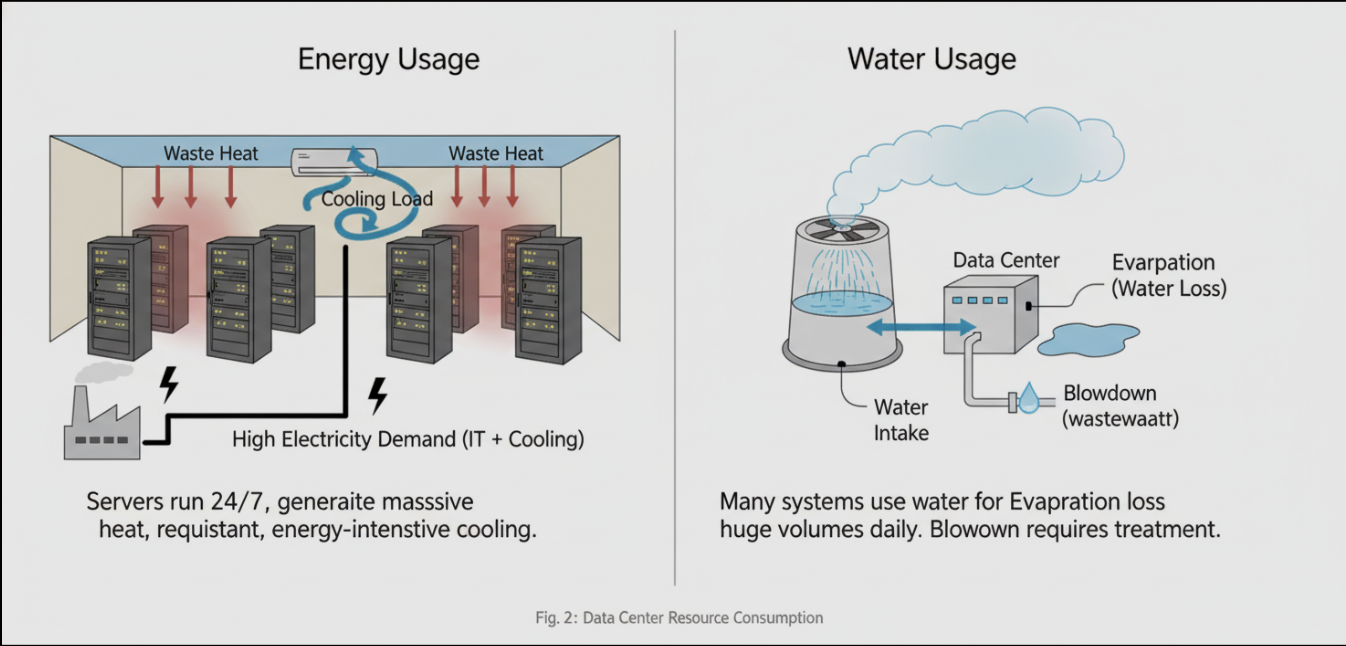
• Consume energy
• Generate unnecessary costs
• Increase security and compliance risks
• Inflate carbon footprint and e-waste
The most dangerous part?
*Most companies don’t even know these assets exist.*
Why is IT Waste So Hard to See?
IT environments have become increasingly complex. Today’s infrastructures are hybrid, distributed across on-premises systems, cloud platforms, virtual machines, and containers.
As a result:
• Asset ownership is unclear
• Documentation is outdated
• Manual audits are slow and incomplete
• Teams are afraid to shut anything down “just in case.”
Many mid-market companies still rely on spreadsheets or one-off audits to track assets. These methods cannot keep up with fast-changing environments and often fail to detect long-term inactivity.
This leads to a paradox: *organizations pay for infrastructure they don’t trust themselves to remove.*
The Real Cost of Zombie Servers
Unused IT assets have a direct and measurable impact:
Financial impact
• Unnecessary energy consumption
• Ongoing maintenance and support costs
• Paid software licenses with no active users
Compliance and security risks
• Increased attack surface
• Failed software audits
• Poor traceability of data and systems
ESG and sustainability impact
• Higher carbon emissions from idle servers
• Premature hardware replacement
• Growing volumes of unmanaged e-waste
At a time when energy prices are rising, and ESG reporting is becoming mandatory, IT waste is no longer a technical detail — it’s a strategic issue.
Why Traditional IT Asset Management Falls Short?
Many existing IT Asset Management (ITAM) tools focus on *visibility only*. They provide data but stop there.
Common limitations include:
• No clear distinction between temporary inactivity and true waste
• Lack of confidence to act on recommendations
• No structured path from detection to disposal or reuse
• Poor integration with sustainability and compliance goals
Seeing the problem is not enough. Organizations need a *safe and structured way to act*.
How IQ Asset Makes IT Waste Actionable?
IQ Asset was created to close this gap.
The solution combines three tightly connected components that cover the *entire IT asset lifecycle*.
1. Intelligent Detection and Insight
IQ Asset connects to existing infrastructure (cloud, virtualized, on-premises systems) and analyzes multiple usage indicators over time, such as:
• CPU and memory usage
• Disk and network activity
• Access history and background processes
This multi-parameter approach avoids simplistic “on/off” judgments and reduces the risk of false positives.
Most importantly, *IQ Asset never shuts anything down automatically*.
All recommendations are reviewed and validated by human teams.
2. Secure Decommissioning and Asset Recovery
Once assets are confirmed as unused, IQ Asset connects organizations with certified IT Asset Disposal (ITAD) partners to handle:
• Secure data erasure
• Decommissioning and logistics
• Resale, refurbishment, or recycling
This ensures compliance with data protection regulations while enabling value recovery and circular economy practices.
3. Long-Term Governance and Compliance
Beyond fixing today’s waste, IQ Asset helps organizations prevent future problems through:
• Lifecycle optimization
• Clear asset ownership
• Compliance-ready audit trails
• ESG impact measurement linked to IT decisions
IT asset management becomes proactive, not reactive.
From Cost Center to Sustainability Lever
By eliminating unused servers and licenses, organizations can:
• Reduce energy consumption
• Lower carbon emissions
• Cut unnecessary spending
• Improve audit readiness
• Support credible ESG reporting
IT optimization stops being an invisible technical task and becomes a *measurable sustainability action*.
Start With Visibility: The IQ Asset PreScan
To help organizations get started without risk, IQ Asset offers a *30-day PreScan* that delivers:
• Percentage of underused or zombie servers
• Estimated savings (energy, licenses, maintenance)
• Potential resale or recovery value
• Clear, prioritized recommendations
No disruption. No automatic shutdowns. Just clarity.
Ready to see how much IT waste is hidden in your infrastructure?
*Start with an IQ Asset PreScan and turn invisible IT waste into savings, compliance, and sustainability impact.*